Why Layering Is Changing the Way Jewelry Is Designed
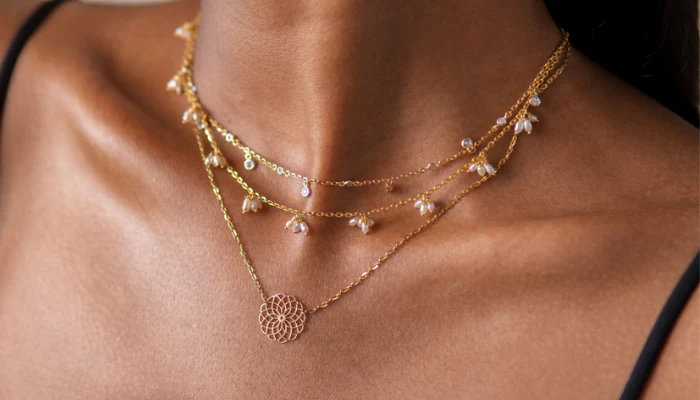
For decades, the jewelry industry was defined by the set. A matching necklace, bracelet, and pair of earrings were sold together as a cohesive unit, designed to be worn in unison to project a sense of polished, traditional elegance. However, the rise of the layering trend has fundamentally disrupted this model. Consumers no longer want to look like they purchased a pre-packaged identity. Instead, they seek to curate a personal narrative through a collection of mismatched, stacked, and layered pieces.
This shift in consumer behavior is not just a passing fashion fad; it has forced a radical reimagining of how jewelry is conceived, manufactured, and marketed. From the length of chains to the weight of metal and the placement of gemstones, the demand for layering is the primary driver of modern jewelry design. Designers are now creating pieces with the specific intention of them being part of a larger ensemble rather than standing alone.
The Death of the Statement Piece and the Rise of the Modular Component
In the past, jewelry design often focused on a single statement piece. These were large, ornate items intended to be the focal point of an outfit. While statement jewelry still exists, it has largely been eclipsed by modular components. Designers are now focusing on daintier, more versatile items that function as building blocks.
This modular approach allows for a high degree of customization. For example, a designer might create a series of thin gold bands that can be worn individually for a minimalist look or stacked ten-deep to create a textured, high-impact appearance. By designing for the stack, jewelry houses are encouraging customers to return over time to add “one more piece” to their collection, effectively turning jewelry into a collectible hobby rather than a one-time purchase.
Engineering for Comfort and Functionality
When a wearer puts on five necklaces at once, several technical problems arise that traditional jewelry design never had to address. The most notorious of these is tangling. When multiple chains of similar weight and texture are worn together, they inevitably twist into a knot that is difficult to unravel.
To combat this, designers are experimenting with various engineering solutions:
-
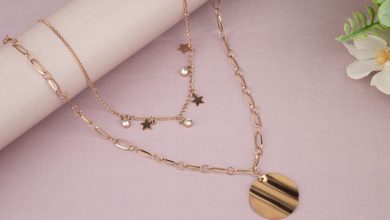
Varying Chain Weights: Designers now intentionally pair delicate cable chains with heavier paperclip or curb links within the same collection. The different weights help the chains hang at different tensions, reducing the likelihood of them intertwining.
-
Integrated Multi-Clasp Systems: Some brands have introduced “necklet” tools or multi-strand clasps that allow users to hook three or four necklaces into a single closure. This keeps the spacing consistent and prevents the chains from sliding around the neck.
-
Adjustable Lengths: In the past, a standard necklace was either sixteen or eighteen inches. Today, almost every modern necklace is designed with multiple jump rings or sliding silicone beads that allow the wearer to adjust the length with precision. This ensures that pendants do not overlap or hide one another.
The Impact on Materiality and Weight
Layering has also changed the physical composition of jewelry. Because the modern consumer is often wearing several pieces of metal at once, the total weight of the jewelry becomes a factor in daily comfort. If five rings are solid and heavy, they can become cumbersome by midday.
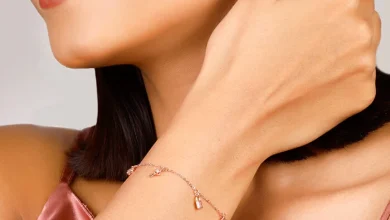
This has led to a rise in hollow-form jewelry and the use of lighter alloys. Designers are finding ways to maintain the visual volume of a piece—such as a thick, chunky hoop or a bold ring—while significantly reducing its weight. This allows the wearer to stack multiple items without feeling weighed down. Additionally, the layering trend has popularized “skin jewelry,” which consists of ultra-fine chains that are so light they are meant to be felt as a second skin, allowing for a virtually limitless number of layers.
Designing for Texture and Contrast
One of the key tenets of successful layering is the play of textures. If every piece of jewelry looks exactly the same, the stack becomes a blurry mess of metal. Designers are responding to this by incorporating a wide variety of finishes into their seasonal lines.
We are seeing a move away from perfectly polished surfaces toward more organic, “human” finishes. Hand-hammered metals, brushed textures, and sandblasted matte finishes are becoming standard. When a smooth, polished gold band is placed next to a hammered silver band, the contrast creates visual separation, making each individual piece in the stack stand out. This focus on texture allows designers to play with light and shadow in ways that a single, uniform set never could.
The Shift in Gemstone Placement and Scaling
The way stones are set has also undergone a transformation. In traditional design, a gemstone was usually centered and prominent. In a layering-centric world, designers are exploring asymmetrical settings and “micro-dosing” sparkles.
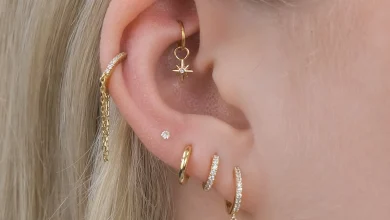
Tiny, brilliant-cut diamonds are being scattered along the length of a chain or placed on the side of a ring shank. This ensures that no matter how the jewelry shifts or rotates during wear, a hint of light is visible. Furthermore, there is a trend toward using “baguette” and “marquise” cuts in smaller scales, which allow for a more architectural look when stacked against round-cut stones. By scaling down the gemstones, designers make it possible for a person to wear five stone-set rings on a single hand without looking over-embellished.
Personalization and Symbolic Storytelling
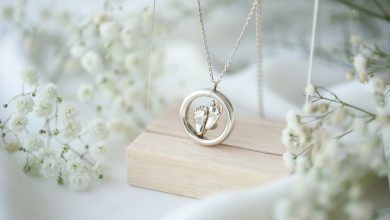
Perhaps the most significant way layering has changed design is the move toward symbolic and sentimental items. Because layering allows for multiple pieces, it provides the space for multiple meanings. A person might wear a birthstone necklace for their child, an initial charm for their partner, and a lucky talisman they found on a trip—all at the same time.
Jewelry designers are leaning into this by creating vast libraries of charms, pendants, and engraved elements. The design process has moved from “what is beautiful?” to “how can this piece help the wearer tell their story?” This has led to the revival of Victorian-era symbols, zodiac signs, and celestial motifs. The jewelry is no longer just an accessory; it is a wearable autobiography that grows and changes as the wearer adds new layers.
The Economic Implications for Jewelry Brands
From a business perspective, the layering trend is a goldmine. It fundamentally changes the customer lifecycle. When the industry relied on the “set” model, a customer might buy jewelry once or twice a year for major milestones. With layering, the barrier to entry is lower, and the frequency of purchase is higher.
Brands are now designing “entry-level” pieces that are specifically intended to be the first layer of a future collection. Marketing campaigns focus on “how to build your stack,” educating consumers on the art of the mix. This shift has democratized fine jewelry, making it more accessible and more integrated into daily casual wear rather than being locked away for special occasions.
Frequently Asked Questions
Does layering jewelry damage the pieces over time?
When metal rubs against metal, there is always a risk of micro-scratches. However, most modern jewelry designed for layering uses high-quality plating or solid gold to minimize this. To protect your pieces, try to avoid layering very soft metals, like high-karat gold, with very hard metals, like stainless steel, as the harder metal will scratch the softer one more quickly.
How many layers are considered too many?
In modern fashion, there is no strict limit. However, a good rule of thumb is to focus on one area of the body for a “heavy” stack. If you have five necklaces layered, you might keep your earrings and rings more minimal. This creates a focal point and prevents the look from becoming overwhelming or cluttered.
Can I mix different types of metals when layering?
Absolutely. Mixing metals is one of the hallmarks of contemporary jewelry design. Combining silver, yellow gold, and rose gold adds depth and makes the ensemble look more curated and less like a matching set. The key is to have at least one piece in the mix that contains both metals to act as a bridge between the different colors.
Is layering appropriate for professional or formal environments?
Yes, but the scale of the pieces should be adjusted. For a professional setting, stick to two or three delicate, fine-chain layers with minimal charms. For formal events, you can layer pieces with more stones or larger links, provided they complement the neckline of your attire and do not distract from the overall silhouette.
How do I prevent my layered necklaces from tangling during the day?
Try to mix different textures and weights. For example, a heavy curb chain paired with a light cable chain is less likely to tangle than two identical light chains. Additionally, ensure the lengths are at least two inches apart. You can also purchase a necklace detangler clasp, which is a small device that holds multiple chains in place at the back of the neck.
Does layering work for people with sensitive skin?
Layering is actually a great way for people with sensitivities to wear jewelry. By choosing high-quality, hypoallergenic base layers—like solid gold or sterling silver—against the skin, you can sometimes layer less expensive fashion pieces over them (such as on top of a turtleneck or higher up on a chain) where they have less direct contact with the skin.
How should I clean my jewelry if I wear it in layers every day?
Daily wear means more exposure to skin oils, lotions, and sweat. It is important to wipe your pieces down with a soft microfiber cloth at the end of each day. Every few weeks, a gentle soak in warm water with a drop of mild dish soap will help maintain the shine of the metals and the brilliance of any gemstones.