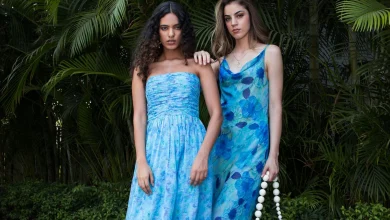
How To Style Dresses For A Confident Everyday Look

Dresses are often perceived as garments reserved for special occasions, formal dinners, or corporate environments. However, the modern wardrobe has evolved to embrace the dress as a functional, comfortable, and highly versatile staple for daily life. Transitioning from the idea that a dress is “too much” for a grocery run or a casual coffee date is the first step toward building a confident everyday look. When styled correctly, a dress provides a one-piece solution that simplifies the morning routine while projecting an image of effortless polish.
The key to feeling confident in a dress on a Tuesday afternoon lies in the balance between the garment itself and the functional elements you pair with it. By understanding proportions, textile choices, and the power of grounding a look with casual accents, any individual can master the art of the everyday dress.
Choosing the Right Silhouettes for Daily Wear
The foundation of a confident everyday look is the silhouette. For daily wear, comfort is paramount. If a dress is too restrictive or requires constant adjustment, your confidence will naturally waver.
The Shirt Dress
Perhaps the most reliable casual silhouette is the shirt dress. Borrowing elements from masculine tailoring—such as the collar and button-down front—this style offers a structured yet relaxed vibe. To style this for a confident everyday look, leave the top two buttons undone and roll up the sleeves to the elbow. This creates a “lived-in” aesthetic that feels intentional rather than stiff.
The A-Line Midi
The midi length, hitting between the knee and the ankle, is the gold standard for versatility. An A-line cut provides freedom of movement and works well for various body types. Because it covers more skin, it feels appropriate for a wide range of settings, from the office to a casual stroll in the park.
The T-Shirt Dress
For those who prioritize comfort above all else, the t-shirt dress is an essential. The challenge here is to prevent it from looking like sleepwear. Choosing a heavier-weight cotton or a ribbed knit fabric adds the necessary structure to make the garment look like a deliberate fashion choice.
Grounding the Look with Footwear
Footwear is the single most important factor in determining the “vibe” of a dress. To achieve a confident everyday look, you want to avoid looking overdone. Grounding a dress with practical shoes is the most effective way to make it feel approachable.
-
Sneakers: Pairing a floral midi dress or a sleek slip dress with clean, white leather sneakers is a classic styling hack. The juxtaposition between the feminine dress and the athletic shoe creates a modern, balanced silhouette that signals you are ready for a busy day.
-
Flat Sandals: During warmer months, a high-quality leather slide or a minimalist strappy sandal keeps the look grounded. Avoid overly embellished sandals if you want to maintain a subtle, everyday feel.
-
Ankle Boots: As the seasons change, a rugged Chelsea boot or a pointed-toe ankle boot can add an edge to a soft dress. This “tough and sweet” combination is a go-to for many stylists because it exudes a sense of curated confidence.
-
Loafers: For a more preppy or professional everyday look, a lug-sole loafer adds weight to the bottom of the outfit, providing a sophisticated contrast to lighter fabrics.
Layering for Dimension and Functionality
One reason people shy away from dresses for daily wear is the lack of versatility in changing temperatures. Mastering the art of layering not only makes the dress more practical but also adds visual interest through different textures.
The Denim Jacket Strategy
A denim jacket is the ultimate equalizer. Throwing a slightly oversized denim jacket over a sundress or a maxi dress instantly “dresses down” the look. It provides a structured frame for the softness of the dress and offers a convenient place to store your phone or keys.
Sweaters and Pullovers
You can easily transform a dress into a skirt by layering a chunky knit sweater or a cropped sweatshirt over the top. This is an excellent way to extend the life of your summer dresses into the fall. To keep the proportions correct, use a small belt at your waist and tuck the hem of the sweater into it to create a “faux-tuck” effect.
Blazers for Sharpness
If your everyday routine involves meetings or a more professional setting, a blazer is your best friend. A structured blazer over a simple jersey dress creates a sharp, confident silhouette. For a more relaxed version, choose a linen blazer in a neutral tone like beige or sage green.
Defining the Waist for a Polished Finish
Confidence often comes from feeling that your clothes fit you perfectly. Many casual dresses have a relaxed fit that can sometimes feel overwhelming on the frame. Defining the waist is a simple way to reclaim your shape.
Using a belt is the most direct method. A thin leather belt can add a touch of elegance, while a wider belt can serve as a focal point. However, you don’t always need a literal belt. Choosing dresses with a drawstring waist, an empire seam, or smocking details through the torso can provide that same definition without the need for extra accessories.
The Role of Color and Print
While neutral colors like navy, olive, black, and charcoal are the easiest to style, don’t be afraid of color and print for everyday wear. The key to wearing prints confidently is to keep the rest of the outfit simple.
If you are wearing a bold leopard print or a vibrant floral, keep your shoes and bag in the neutral family. This allows the dress to be the hero of the outfit without it feeling chaotic. Conversely, if you are wearing a solid-colored dress in a muted tone, you can use a patterned scarf or a textured bag to add a bit of personality.
Fabric Selection for Longevity and Comfort
The “feel” of a dress is just as important as the “look.” For everyday wear, you want fabrics that are breathable and easy to care for.
-
Cotton and Linen: These natural fibers are breathable and develop a beautiful, soft character over time. While they may wrinkle, the slight rumple of linen is often seen as a sign of effortless, high-end casual style.
-
Jersey and Knits: These fabrics offer the most stretch and are ideal for days when you are on the move. Look for high-quality blends that won’t pill or lose their shape after a few washes.
-
Modal and Lyocell: These are semi-synthetic fibers known for their incredible softness and beautiful drape. They resist wrinkling better than cotton, making them perfect for a polished everyday look that lasts from morning until night.
Confidence Through Practicality
Finally, true confidence comes from knowing your outfit is practical for your life. This means choosing dresses with pockets whenever possible. It means ensuring the hemline is a length you can comfortably walk, sit, and climb stairs in without second-guessing yourself. It also means choosing undergarments that provide the right support and remain invisible under your dress. When you aren’t worried about the mechanics of your outfit, your natural confidence is allowed to take center stage.
Frequently Asked Questions
How can I make a formal dress look casual enough for daytime use?
The best way to “dress down” a formal garment is through footwear and layering. Swap heels for flat boots or sneakers, and layer a casual knit or a denim jacket over the dress. This hides the more formal bodice of the dress and shifts the focus to the skirt, making it look like a high-end casual ensemble.
What length of dress is most flattering for petite frames in a casual setting?
For shorter individuals, mini or above-the-knee lengths often work best to elongate the legs. However, a midi dress can also work beautifully if it features a high waistline and is paired with shoes that have a low-cut vamp to show more of the foot.
How do I style a dress for everyday wear when it is windy outside?
To avoid any wardrobe malfunctions on a windy day, opt for heavier fabrics like denim, corduroy, or thick knits that won’t catch the breeze as easily. Alternatively, wearing a pair of lightweight bike shorts underneath your dress provides security and comfort regardless of the weather.
Can I wear a dress in the winter without being cold?
Absolutely. The trick is “hidden layering.” Wear thermal leggings or fleece-lined tights underneath your dress. You can also wear a thin, heat-trapping base layer top under your dress if it has sleeves. Finish the look with tall boots and a long coat for maximum warmth.
How many dresses do I really need for a functional everyday wardrobe?
You don’t need a large collection. A well-curated wardrobe might include one t-shirt dress, one shirt dress, one versatile midi dress, and one sweater dress for cold weather. These four pieces, when styled with different layers and shoes, can create dozens of unique looks.
How do I choose the right neckline for a casual dress?
For a relaxed look, V-necks and scoop necks are generally the most popular as they open up the chest area and feel less formal. If you want a more modest or classic look, a crew neck or a polo-style collar is an excellent choice for daily activities.
What is the best way to accessorize a dress without it looking too busy?
Follow the rule of “one and done.” Choose one statement accessory—whether it is a pair of bold earrings, a unique belt, or a colorful bag—and keep everything else minimal. For everyday wear, simple gold or silver hoops and a functional crossbody bag are usually all you need to look polished.