Why Singapore’s Gym Wear Market Is Outpacing General Apparel Growth
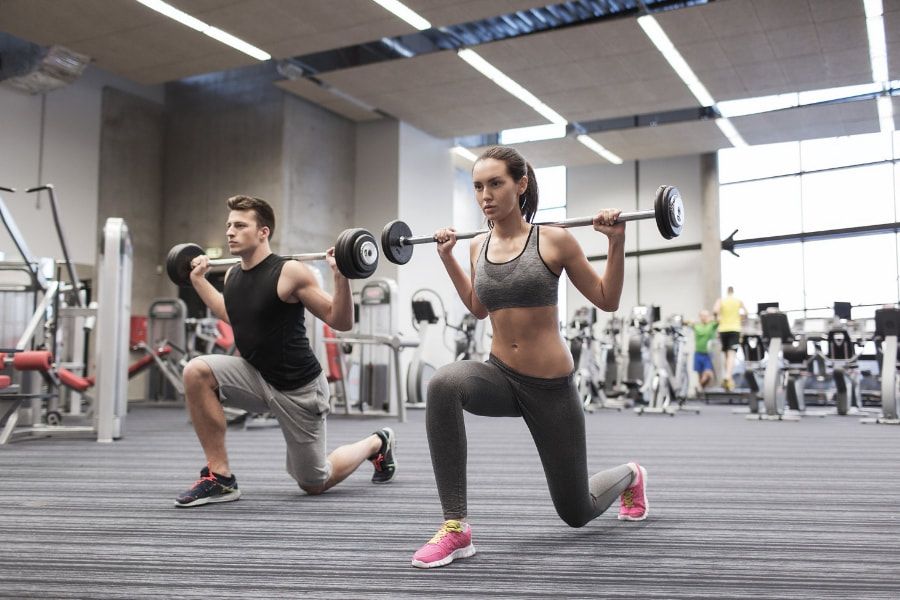
Walk through any Singapore shopping district and you’ll notice how many people are wearing athletic clothing outside the gym. Leggings, training shoes, and tech fabric tops have become acceptable daily wear, not just workout gear.
This shift in clothing norms reflects and drives broader fitness culture changes. It’s also created a booming market for gym wear that’s growing faster than general apparel sales.
The connection between clothing and fitness gym singapore participation runs deeper than most people realise. What you wear influences whether you train, how you perform, and how you see yourself as a fitness participant.
Athleisure Blurs the Line Between Gym and Life
Athleisure as a fashion category has fundamentally changed gym wear economics. Clothing that functions for workouts but looks good enough for casual wear creates multiple wearing occasions from a single purchase.
This increases willingness to invest in quality pieces. When leggings cost $80 but you wear them to the gym, running errands, meeting friends, and working from home, the cost-per-wear drops dramatically.
Traditional gym wear was purely functional. You’d buy the cheapest acceptable version because it only saw use during workouts. Premium gym wear that crosses into lifestyle use justifies premium pricing.
Singapore’s fashion-conscious culture embraced athleisure faster than many markets, driving gym wear sales upward.
Social Media and the Performance Pressure
Instagram and TikTok have made gym wear visible in ways it never was before. Your workout outfit appears in your Stories, your training videos, your gym selfies.
This creates implicit pressure to wear clothing that photographs well and signals investment in fitness identity.
Brands understand this and design accordingly. Cuts that flatter, colours that pop on camera, logos that signal brand affiliation without being obnoxious.
For better or worse, gym clothing has become part of fitness performance in the social media sense, not just the athletic sense.
Technical Fabric Innovation Justifies Premium Pricing
Modern gym wear uses fabric technology that genuinely improves performance and comfort:
Moisture-wicking: Moves sweat away from skin, critical in Singapore’s humid climate even in air-conditioned gyms.
Four-way stretch: Allows full range of motion without restriction or transparency issues during movements like squats.
Compression elements: Provides muscle support and reduces fatigue during high-intensity training.
Anti-odour treatments: Keeps clothing fresher between washes, important for people training frequently.
Temperature regulation: Cooling fabrics that help manage Singapore’s heat.
These genuine performance benefits justify higher prices and drive replacement purchases as older clothing wears out or as new technologies become available.
Gym Wear as Identity Expression
What you wear to the gym signals things about how you see yourself and how you want to be seen:
Premium brands: Signal serious investment in fitness, not casual participation.
Specific sport alignments: Running gear vs. lifting gear vs. yoga wear communicates training focus.
Colour and style choices: Express personality within fitness identity.
Matching sets: Suggest attention to detail and aesthetic standards.
For many people, investing in quality gym wear is part of committing to a fitness identity. The purchase reinforces the commitment psychologically.
The Practical Impact on Training Frequency
There’s a practical feedback loop between gym wear quality and training frequency:
Good gym wear makes training more comfortable. More comfort means more enjoyable sessions. More enjoyment increases attendance frequency. Higher frequency justifies investment in more and better gym wear.
Poor quality gear creates the opposite spiral. Discomfort during training reduces enjoyment, lowers frequency, and makes you less willing to invest in better gear.
Singapore’s gym wear market growth partly reflects this positive loop among the segment of the population training consistently enough to experience the quality difference.
Retail Integration with Fitness Facilities
Many premium fitness facilities now include retail components selling gym wear and fitness accessories.
This creates convenient purchase opportunities when members are most motivated (immediately after a good workout) and allows try-before-buy experiences for fit and function.
The retail integration also creates additional revenue streams for gym operators while providing member convenience.
It’s a model borrowed from global fitness brands like Lululemon and Barry’s Bootcamp and now widely implemented in Singapore’s premium fitness sector.
Corporate Gifting and Team Wear
Singapore’s corporate wellness trend has created a gym wear market segment that didn’t exist previously: branded team wear for corporate fitness programmes.
Companies order custom-designed gym wear for:
- Team building fitness events
- Corporate wellness programme participants
- Employee gifts and incentives
- Corporate sports teams
This B2B market operates separately from consumer retail but contributes to overall market growth and normalises gym wear as professional attire in ways that drive broader adoption.
Gender Dynamics in Gym Wear Purchasing
Women drive the majority of gym wear purchases despite roughly equal gym participation between genders.
Women typically own more pieces, replace them more frequently, and spend more per item. The gym wear market has responded with vastly more variety in women’s offerings than men’s.
This gender split reflects broader apparel market patterns but is particularly pronounced in activewear where women’s social media use and athleisure adoption have been stronger.
Sustainability and Premium Positioning
Singapore’s environmentally conscious consumers increasingly favour gym wear brands positioning around sustainability:
- Recycled materials
- Ethical manufacturing practices
- Durability and longevity rather than fast fashion cycles
- Repair and recycling programmes
These sustainability credentials justify premium pricing and create brand loyalty among consumers who want their purchases to align with environmental values.
The segment willing to pay significantly more for sustainable gym wear is growing faster than the overall market.
TFX Singapore members represent the demographic segment driving gym wear market growth: health-conscious professionals who view quality fitness apparel as part of their overall wellness investment rather than a grudging functional purchase.
FAQs
Q: How much should someone realistically budget for quality gym wear when starting a fitness routine?
A functional starter wardrobe requires 2-3 training outfits to allow for laundry rotation. Budget approximately $200-300 for quality pieces that will last and perform well.
As training becomes consistent, most people gradually build up to 5-7 complete outfits over 6-12 months.
Q: Does expensive gym wear actually improve performance, or is it mainly aesthetic?
Quality gym wear improves comfort, which indirectly supports performance by reducing distractions and allowing focus on training rather than adjusting clothing.
The direct performance impact is modest, but the psychological and comfort benefits are real enough to justify investment for people training regularly.
Q: Why is women’s gym wear so much more expensive than men’s for seemingly similar items?
Women’s gym wear uses more complex construction, smaller production runs with more style variation, and typically higher-quality fabrics to address transparency and coverage concerns.
Market dynamics also show women are willing to pay more for activewear, which allows brands to price accordingly.
Q: How often should gym wear be replaced?
This depends on training frequency and care practices. With proper care (cold wash, air dry), quality gym wear should last 12-18 months with 3-4 uses per week.
Signs of needed replacement include loss of elasticity, fabric pilling, persistent odours, or transparency during movement.