The Urban Commute Wardrobe: How Singapore’s Regular Yoga Attendees Are Redefining Athleisure for MRT and Bus Transit
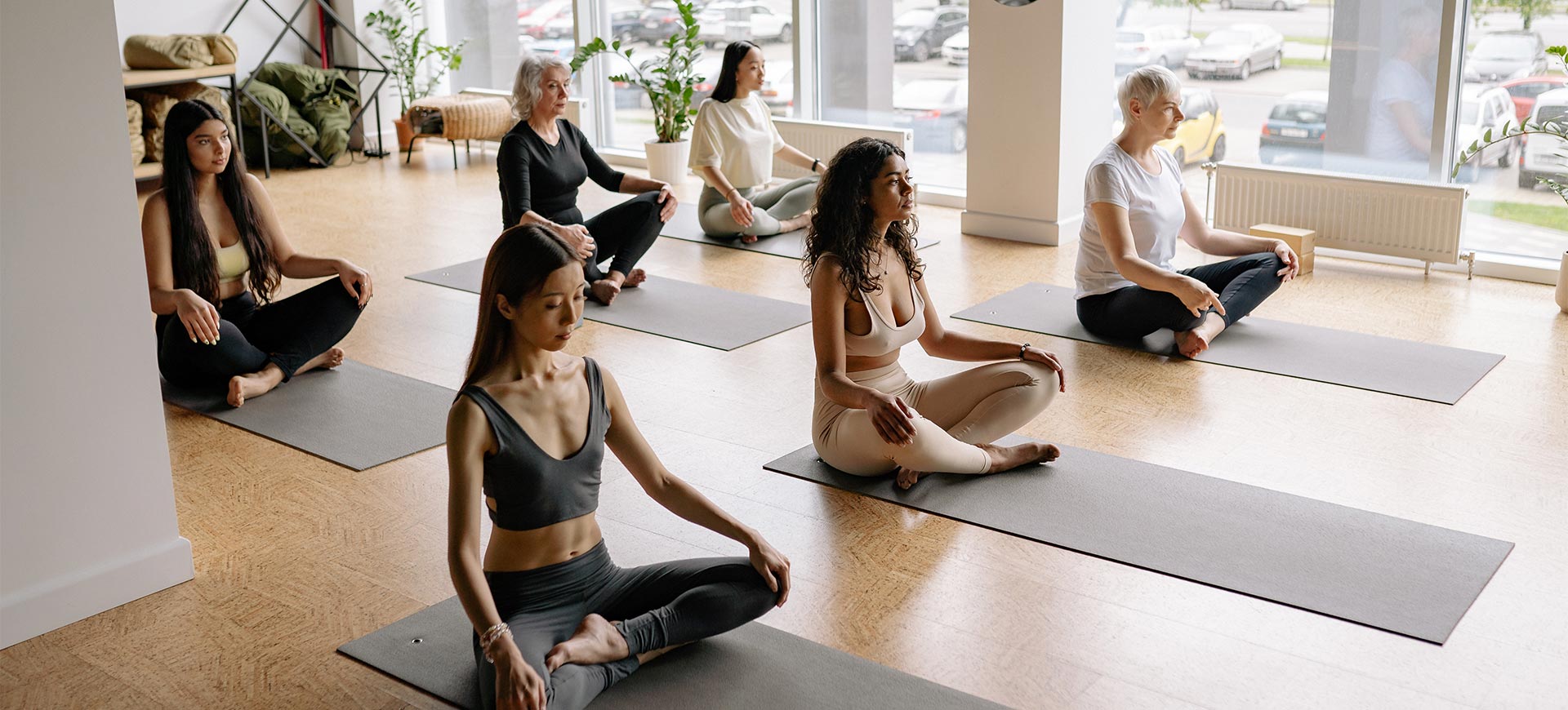
A quiet but genuinely interesting fashion evolution is happening on Singapore’s MRT platforms and bus stops, driven by the growing population of practitioners who build their yoga classes near me attendance into the structure of their daily commute. The practitioner who takes the train directly from work to a 7pm studio session, or who attends a 7am class before commuting to the office, faces a wardrobe challenge that is specifically Singaporean in its parameters: clothing that can handle a yoga class and a transit journey, that meets the climate demands of moving between air-conditioned interiors and Singapore’s equatorial exterior, that satisfies the social expectations of both a professional commute and a studio environment, and that does all of this without requiring a complete outfit change or a bag large enough to carry separate wardrobes for each context.
The solutions that Singapore’s yoga commuters have developed to meet this challenge are reshaping what athleisure means in this city, producing a wardrobe aesthetic and a set of purchasing criteria that are distinct from both conventional sportswear and conventional office casual and that reflect the specific demands of an urban lifestyle built around integrated wellness practice.
The Climate Engineering Problem
Singapore’s climate creates a clothing performance challenge that practitioners in temperate-climate cities do not face in the same form. The baseline outdoor temperature of 31 to 33 degrees Celsius, combined with humidity levels that frequently exceed 80 percent, means that any physical movement outdoors, including a seven-minute walk from an MRT station to a studio, generates meaningful perspiration in most individuals regardless of the pace of movement.
The air conditioning that characterises Singapore’s indoor environments adds the second dimension of the problem. MRT carriages, office buildings, studio spaces and most retail environments are cooled to temperatures that can feel uncomfortably cold relative to the outdoor baseline, requiring clothing that provides warmth in cooled indoor environments while remaining comfortable during outdoor movement.
The yoga class itself adds a third dimension. Studio environments range from cool to hot depending on the format, and the perspiration generated during a yoga session is substantially greater than that generated by transit movement alone. Clothing worn directly to a class without changing needs to manage post-session perspiration effectively, drying quickly enough that the practitioner does not arrive at their next destination feeling wet and uncomfortable.
This three-context performance requirement, outdoor heat tolerance, indoor cool-weather comfort and perspiration management during practice, is the engineering specification that Singapore’s yoga commuter wardrobe needs to meet.
The Performance Fabric Solutions That Are Working
The fabric technologies that address Singapore’s yoga commuter challenge most effectively share several characteristics: rapid moisture transport from skin surface to fabric exterior for evaporation, sufficient stretch in multiple directions to accommodate the full range of yoga postures without restriction, recovery of shape after stretching to maintain garment fit through repeated use, and a surface treatment or inherent property that resists the odour development that perspiration creates in conventional fabrics.
Four-way stretch fabrics with mechanical stretch rather than chemical stretch are the performance foundation of the most effective yoga commuter garments. Mechanical stretch, built into the weave or knit structure of the fabric, maintains its stretch and recovery properties through repeated washing and wearing in ways that chemical stretch treatments do not. This is practically significant for garments that are laundered frequently due to regular perspiration exposure.
Merino wool blends, which might seem counterintuitive for a tropical climate but have gained a meaningful following among Singapore’s performance-oriented yoga practitioners, address the odour management dimension of the problem with particular effectiveness. Merino’s natural antimicrobial properties significantly delay the development of the odour that synthetic fabrics generate under perspiration load, which is a tangible practical advantage for practitioners who move from a yoga session to a professional or social context without the opportunity for a wardrobe change.
Bamboo-derived fabrics, including lyocell and modal variants, offer a combination of softness, moisture management and thermoregulation that performs well in Singapore’s climate, particularly for base layers that sit against the skin throughout a transit-practice-transit sequence. The environmental credentials of these materials, which are produced through more sustainable processes than many conventional synthetic fabrics, also align with the values orientation of many of Singapore’s yoga practitioners.
The Styling Shift: From Sportswear to Elevated Athleisure
The wardrobe solutions that Singapore’s yoga commuters are developing are producing a distinct visual aesthetic that occupies the space between sportswear and office casual: elevated athleisure with an urban sophistication that was not characteristic of yoga apparel even five years ago. The shift reflects both the maturation of the yoga commuter market and the response of performance apparel brands to the specific demands of this consumer.
The key styling elements of Singapore’s yoga commuter aesthetic include clean lines without the decorative details that signal pure sportswear, a colour palette that leans toward neutrals and muted tones that translate across multiple contexts, and silhouettes that have sufficient structure to read as intentional office-adjacent dressing rather than transitional gym-wear.
Outerwear has become a particularly interesting category within this aesthetic. The lightweight technical jacket that provides warmth in air-conditioned transit and office environments, folds compactly into a studio bag during practice, and has sufficient visual polish to read as deliberate styling rather than functional afterthought is a product that the performance outdoor apparel category was not previously designing for and that several Singapore-relevant brands have now moved to address.
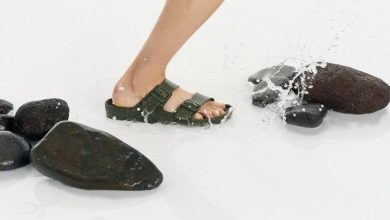
Footwear represents the greatest styling challenge in the yoga commuter wardrobe. The footwear appropriate for studio practice, if carried separately, adds bag weight and volume. The footwear appropriate for a professional or semi-professional commute context is often unsuitable for studio use. The resolution that many Singapore practitioners have developed is a carefully chosen slip-on sneaker or minimal sandal that is both socially appropriate for a professional commute and practical for studio approach and departure, with studio practice itself conducted barefoot as standard.
Yoga Edition and the broader Singapore yoga community are reflecting this wardrobe evolution in the demographics and presentation of their student populations, with the yoga commuter aesthetic now visible as a distinct and increasingly refined category in the daily visual landscape of Singapore’s transit system and commercial districts.