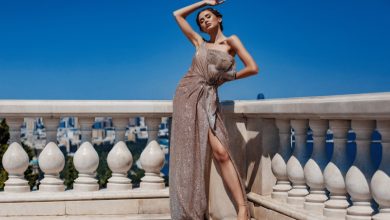
Why Dresses Remain The Ultimate Wardrobe Staple Today
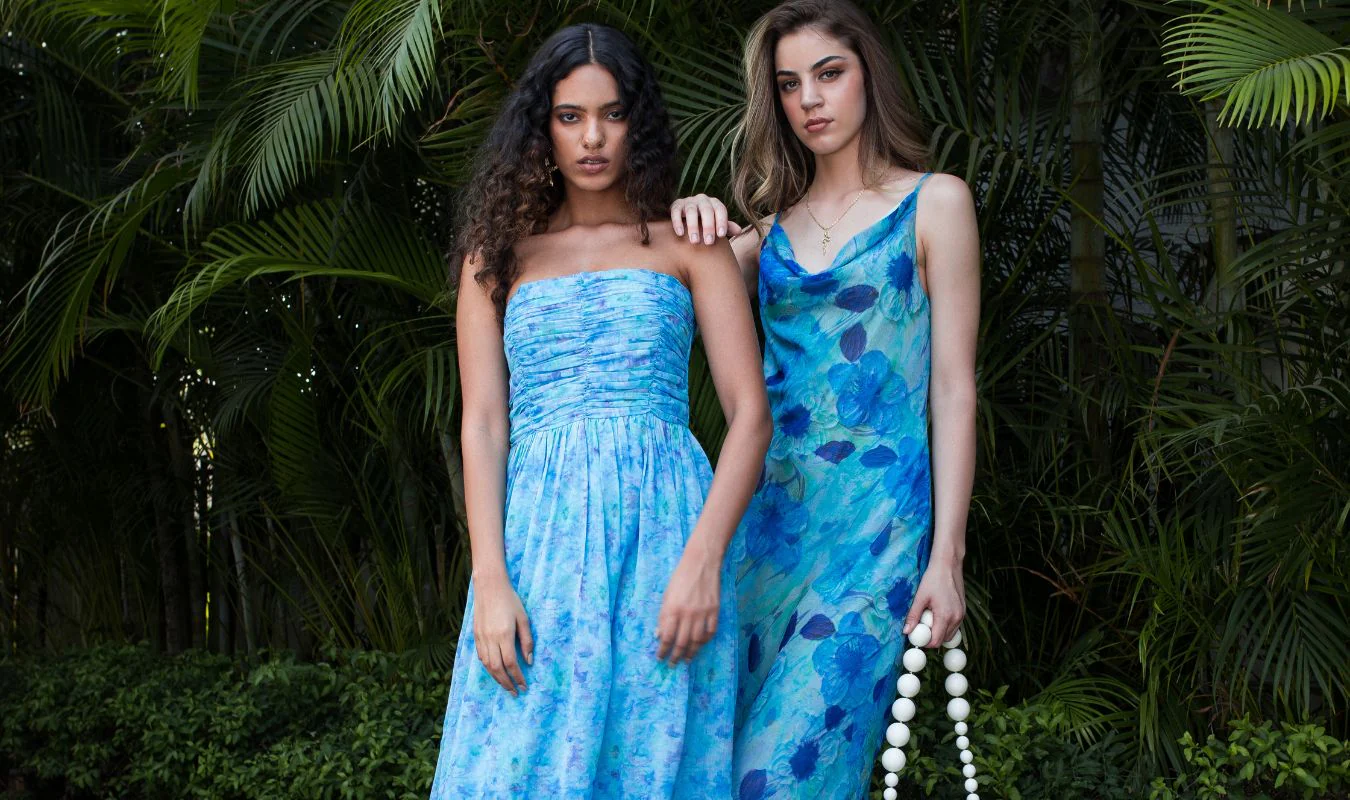
The landscape of modern fashion is constantly shifting, influenced by rapid trend cycles and the rise of social media aesthetics. Yet, amidst the noise of fleeting fads, the dress remains an immovable pillar of style. Historically, the dress has served as a symbol of elegance, status, and femininity, but its role in the contemporary wardrobe has expanded far beyond those traditional boundaries. Today, it stands as a testament to practical design and personal empowerment.
Whether it is a simple cotton shift for a weekend morning or a structured sheath for a high-stakes boardroom meeting, the dress offers a level of versatility that separates and coordinates cannot easily match. The enduring popularity of this garment is not merely a matter of tradition; it is rooted in its unique ability to solve the modern dilemma of wanting to look sophisticated while maintaining maximum efficiency.
The One Piece Solution To Decision Fatigue
One of the most significant reasons the dress has maintained its status as a wardrobe staple is its inherent simplicity. In an era characterized by decision fatigue, the ability to reach for a single item and be fully dressed in seconds is a powerful advantage. Unlike trousers or skirts, which require the wearer to source a matching top, consider tucking methods, and balance proportions between the upper and lower body, a dress is a complete outfit in itself.
This “one and done” nature reduces the cognitive load of getting ready in the morning. For the busy professional, the parent on the go, or the traveler living out of a suitcase, the dress eliminates the guesswork. By removing the need to coordinate colors, textures, and silhouettes across multiple pieces, the dress allows the wearer to focus their energy elsewhere while ensuring they appear intentional and put together.
Versatility Across Contexts and Seasons
A common misconception about dresses is that they are seasonal or situational. In reality, the modern dress is a master of disguise. The same black slip dress can be worn over a white t-shirt with sneakers for a casual lunch, or paired with a blazer and loafers for a professional environment, or accessorized with heels and jewelry for a formal evening event.
This adaptability extends to the changing seasons as well. Through the art of layering, a summer sundress transitions into a fall staple with the addition of a chunky knit sweater and leather boots. In winter, the use of thermal tights and long coats allows the dress to remain a functional choice even in freezing temperatures. Because a dress can be manipulated through accessories and layers, it provides a higher return on investment than almost any other garment type.
The Psychological Impact Of Wearing A Dress
Clothing is not just a physical covering; it is a psychological tool. There is a documented phenomenon known as enclothed cognition, which suggests that the clothes we wear can influence our psychological processes and confidence levels. For many, putting on a dress signals a transition into a more confident, focused, or celebratory state of mind.
Because a dress often carries a connotation of being “dressed up,” it can provide an immediate boost to self-esteem. It encourages better posture and a more graceful gait. Furthermore, the comfort of a well-fitted dress—free from the restrictive waistbands of jeans or the stiffness of tailored trousers—allows the wearer to feel more at ease in their body. When an individual feels comfortable and looks polished, their outward confidence naturally increases, impacting their interactions and performance throughout the day.
Inclusivity And Body Positivity
The evolution of dress design has played a crucial role in the body positivity movement. Unlike many other garments that rely on rigid sizing and specific proportions, dresses are incredibly forgiving and inclusive.
-
Wrap Dresses: Pioneered in the 1970s, the wrap dress remains a staple because it allows the wearer to customize the fit to their specific waistline and bust, accommodating weight fluctuations and different body shapes with ease.
-
A-Line and Empire Waist: These silhouettes provide a flattering drape that does not cling to the midsection, offering comfort and style to a wide range of body types.
-
Maxi and Midi Lengths: The variety in hemlines ensures that individuals of all heights and style preferences can find a length that makes them feel secure and stylish.
Modern designers have leaned into this inclusivity, using stretch fabrics and adjustable features to ensure that the dress remains a garment that celebrates the body rather than restricting it.
The Sustainable Fashion Choice
As consumers become more conscious of the environmental impact of the fashion industry, the longevity of garments has become a primary concern. The dress is inherently suited for a sustainable wardrobe. Because it is a single piece, it often requires less fabric and labor than a multi-piece suit or a complex ensemble of separates.
Furthermore, because dresses are less prone to the “dating” that happens with specific styles of jeans or trendy tops, they tend to stay in a wardrobe for much longer. A high-quality shirt dress or a simple midi dress purchased today will likely still be stylish a decade from now. By investing in timeless dress silhouettes, consumers can reduce their overall consumption, favoring quality and longevity over the disposability of fast fashion.
Technological Advancements In Textiles
The endurance of the dress is also linked to innovations in fabric technology. In the past, many dresses were made of high-maintenance fabrics that required dry cleaning or frequent ironing. Today, the market is filled with dresses made from advanced materials that cater to a modern, fast-paced lifestyle.
Wrinkle-Resistant Blends
Travel-friendly fabrics like scuba, jersey, and high-quality synthetics mean that a dress can be pulled from a gym bag or a suitcase and worn immediately without a wrinkle in sight.
Performance Fabrics
We are seeing an increase in “athleisure” dresses that incorporate moisture-wicking technology and four-way stretch. These garments allow women to move seamlessly from a morning hike or a tennis match to a casual brunch without needing a change of clothes. This fusion of performance and style has solidified the dress as a practical tool for the active modern woman.
The Cultural Significance Of The Dress
Finally, the dress remains a staple because of its deep cultural resonance. It is a garment that appears in almost every culture’s history, albeit in different forms. From the Japanese Kimono to the Indian Sari to the Western ballgown, the dress has always been a vehicle for storytelling and cultural expression.
In the modern context, wearing a dress can be an act of rebellion against the homogenization of style, or a nod to a vintage era of glamour. It allows for a level of self-expression that is both personal and universal. The sheer variety of prints, colors, and textures available in dress form means that no matter a person’s aesthetic—minimalist, maximalist, bohemian, or goth—there is a dress that serves as a canvas for their identity.
Frequently Asked Questions
Is it possible to wear a dress every day without looking like I am trying too hard?
Yes, the key is in the fabric and footwear. Opting for casual materials like cotton, linen, or knit jersey makes the dress feel grounded. Pairing these dresses with flat sandals, loafers, or sneakers instead of heels signals that the outfit is intended for daily activity rather than a special event.
How do I choose a dress that will not go out of style next year?
Look for classic silhouettes such as the wrap dress, the shirt dress, or a simple A-line midi. Stick to neutral colors or subtle patterns like stripes or small polka dots. Avoid dresses with excessive “trendy” details like extreme puff sleeves or highly specific cut-outs, as these are the elements most likely to date a garment quickly.
Are dresses practical for people with highly active jobs?
Dresses can be surprisingly practical if you choose the right style. Many modern utility dresses feature deep pockets and durable fabrics. Wearing athletic shorts or leggings underneath a dress provides the freedom of movement needed for physical tasks while maintaining the aesthetic of a dress.
What is the best way to transition a summer dress into the winter months?
Layering is essential. Start with a thin turtleneck or a long-sleeve heat-trapping base layer underneath the dress. Add thick, opaque tights or even leather leggings. Finish the look with a long cardigan or a structured coat and tall boots to ensure no skin is exposed to the cold.
How can I make a low-cost dress look more expensive and high-quality?
Tailoring is the most effective hack; a dress that fits perfectly at the shoulders and waist will always look more expensive. Additionally, replacing cheap plastic buttons with metal or mother-of-pearl versions and removing flimsy belt loops can significantly elevate the overall appearance of a budget-friendly find.
Do dresses work for all heights, or are they better for tall people?
Dresses work for everyone, but the hemline matters. Petite individuals often find that hemlines hitting just above the knee or a “maxi” length that skims the floor can create a longer line. Taller individuals can carry off midi lengths and oversized silhouettes with ease. It is about finding the proportion that balances your specific frame.
Why are pockets so rare in dresses, and how can I find dresses that have them?
Historically, pockets were omitted to maintain a slim silhouette. However, due to consumer demand, more brands are prioritizing functionality. When shopping online, use keywords like “utility dress” or “pockets” in the search bar, and always check the product description or customer reviews to verify their presence.